GEOTECHNICALENGINEERING
GILBERT
HomeInvestigationSPT (Standard Penetration Test)

SPT Testing in Gilbert, AZ: Data You Can Build On

Geotechnical engineering with regional judgment.

LEARN MORE

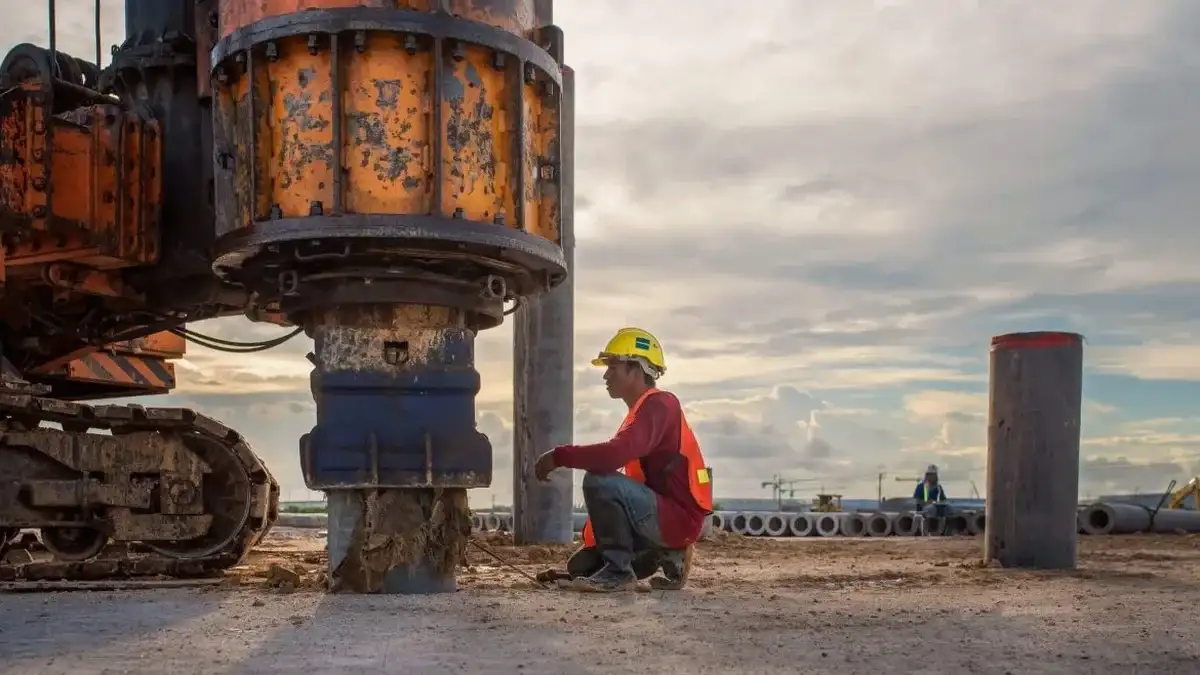
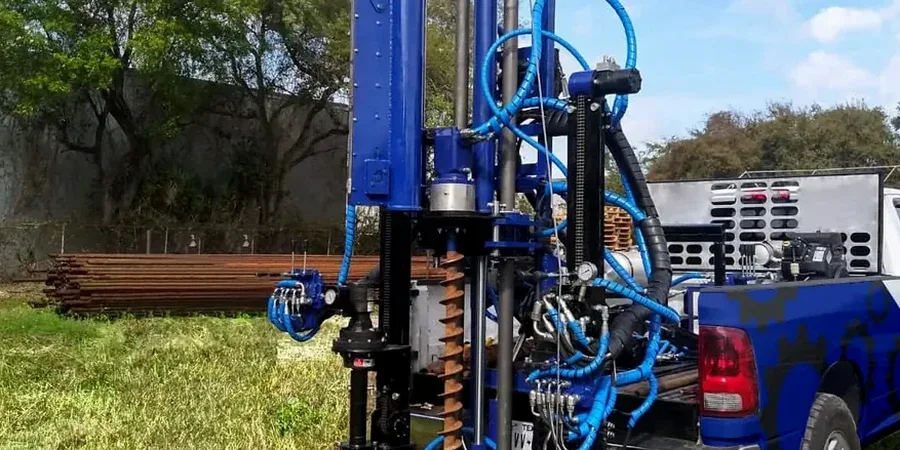
The split-spoon sampler hits the drive weight at our Gilbert test site, and the driller records each 6-inch increment. Blow counts tell the story here—especially in the silty sands and clayey layers common across the East Valley. We run SPT borings with a CME-75 rig, following ASTM D1586 precisely, and every sample goes through our in-house lab for ASTM D2487 classification. Gilbert sits on basin-fill deposits, and the upper 15 feet often show low N-values. That matters when you're designing shallow footings. We've seen N-values jump from 4 to 28 between 10 and 20 feet depth, a transition that changes everything for your foundation. Combined with SPT drilling for deeper exploration, we build the stratigraphic profile your structural engineer needs.

In Gilbert's basin-fill deposits, SPT blow counts can double within a 5-foot vertical interval. That's why we don't interpolate—we sample every layer.
Our service areas

Our approach and scope

A common mistake in Gilbert: assuming uniform soil conditions because the site looks flat. It's not. The subsurface here varies dramatically—pocket lenses of clay, old channel deposits, and cemented caliche layers that break the sampler. We hit refusal in caliche at 8 feet on a Higley Road project last month. The blow count went from 12 to 50+ in one drive. If you're not logging each interval per ASTM D1586, you miss that. Our team runs SPT at 5-foot intervals, with continuous sampling through granular zones where collapse potential exists. We also correlate SPT data with CPT testing when clients need continuous tip resistance and friction sleeve data in soft zones. Standard practice here means understanding that Gilbert's soils are neither fully granular nor fully cohesive—they're transitional, and your bearing capacity calculations depend on getting that right.
SPT Testing in Gilbert, AZ: Data You Can Build On
Technical reference — Gilbert

Local geotechnical context

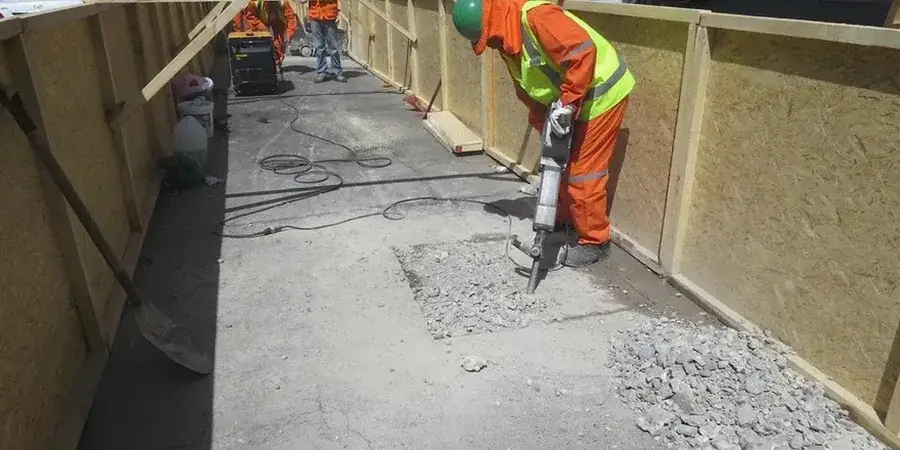
We walk Gilbert job sites and see the same thing: a footing excavation sitting open, with sandy soil crumbling from the walls. That's collapse-prone soil, and it's common here. When you skip SPT testing, you're guessing on bearing capacity—and in Gilbert's younger alluvium, the difference between 1,500 psf and 3,000 psf allowable bearing is often just 5 feet of depth. We've reviewed projects where the geotech report assumed 2,000 psf, but actual SPT data showed 1,200 psf in the upper zone. The fix required deepening footings by 3 feet, adding cost no one planned for. In areas near the Santan Mountains, we also watch for boulder fields that deflect the sampler. If your driller hits refusal and calls it rock without a core run, you could be building on a perched boulder. That's a failure waiting to happen. Cross-checking with test pits in accessible areas gives visual confirmation of what the SPT numbers suggest.

Need a geotechnical assessment?

Reply within 24h.

Email: info@geotechnicalengineering.sbs

Applicable standards

ASTM D1586-18: Standard Test Method for Standard Penetration Test (SPT) and Split-Barrel Sampling of Soils, ASTM D2487-17: Standard Practice for Classification of Soils for Engineering Purposes (Unified Soil Classification System), ASTM D4633-16: Standard Test Method for Energy Measurement for Dynamic Penetrometers, IBC 2021: Section 1803 Geotechnical Investigations, ASCE 7-22: Minimum Design Loads and Associated Criteria for Buildings and Other Structures

Technical parameters

ParameterTypical value
ASTM StandardD1586-18 (Standard Test Method for SPT)
Hammer TypeSafety hammer, auto-trip, rope and cathead
Sampling Interval5 ft continuous, 2.5 ft in critical zones
Borehole Diameter4-inch to 8-inch hollow stem auger
N60 CorrectionEnergy ratio per ASTM D4633, rod length correction
Soil ClassificationASTM D2487 (Unified Soil Classification System)
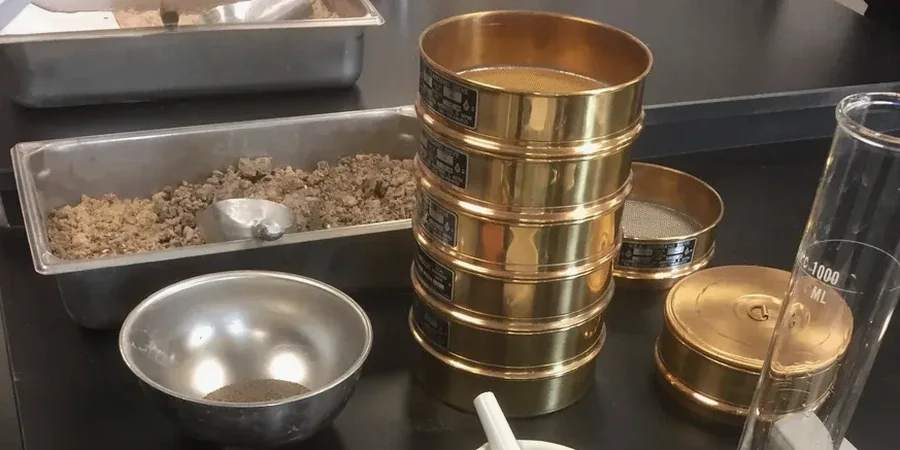
Lab TestingGrain size, Atterberg limits, moisture content
ReportingBlow count logs, N60 profiles, bearing capacity estimates

Questions and answers

How much does an SPT boring program cost in Gilbert?

For a typical residential project with 2-3 borings to 15-20 feet depth, SPT testing in Gilbert runs between US$600 and US$760 per boring. This includes drilling, sampling, lab classification, and a signed geotechnical report. Deeper borings or additional lab testing like consolidation or triaxial shear add to the cost. Commercial projects with multiple borings typically see a per-foot rate that reflects the larger scope.

How deep do SPT borings need to go for a single-family home in Gilbert?

Per IBC 2021 Section 1803, we typically extend borings to at least 15 feet below finished grade for residential work in Gilbert, or to a depth where competent soil with N-values above 15 is consistently encountered. In areas with deeper soft zones—common in the basin center—we may go to 25 feet. The goal is to penetrate through the collapsible upper layer into denser alluvium.

What soil types does SPT identify in Gilbert?

Gilbert's subsurface is dominated by basin-fill deposits: silty sands (SM), clayey sands (SC), and low-plasticity clays (CL). We also encounter cemented caliche layers that can cause refusal, and in older alluvial fans near the Santan Mountains, gravelly soils with cobbles. The SPT sampler recovers disturbed samples that our lab classifies under ASTM D2487, giving you the USCS symbol for each layer.

How fast can we get SPT results for a Gilbert project?

Standard turnaround is 5-7 business days from drilling to final report, including lab classification and bearing capacity calculations. We can expedite to 3 days for tight schedules—the lab runs grain size and Atterberg limits immediately after drilling. The report includes N60-corrected blow counts, soil descriptions, and preliminary foundation recommendations.

Location and service area

We serve projects in Gilbert and surrounding areas.

View larger map