GEOTECHNICALENGINEERING
GILBERT
HomeUnderground ExcavationsGeotechnical excavation monitoring

Geotechnical Excavation Monitoring in Gilbert, AZ

Geotechnical engineering with regional judgment.

LEARN MORE

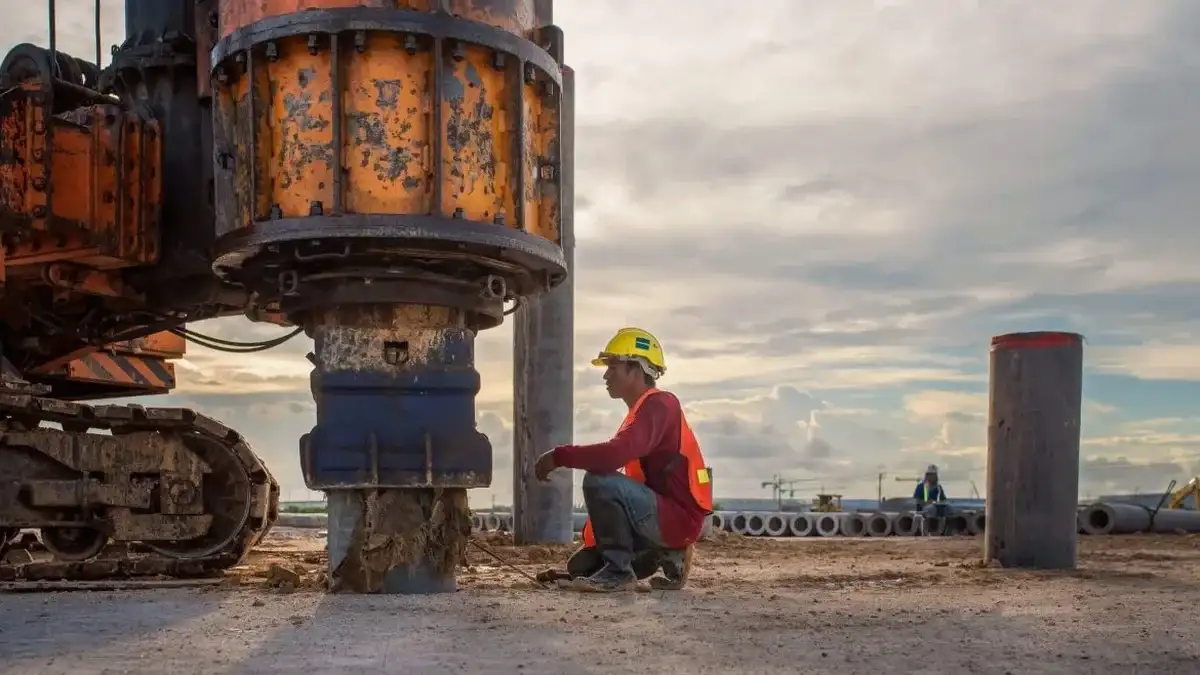
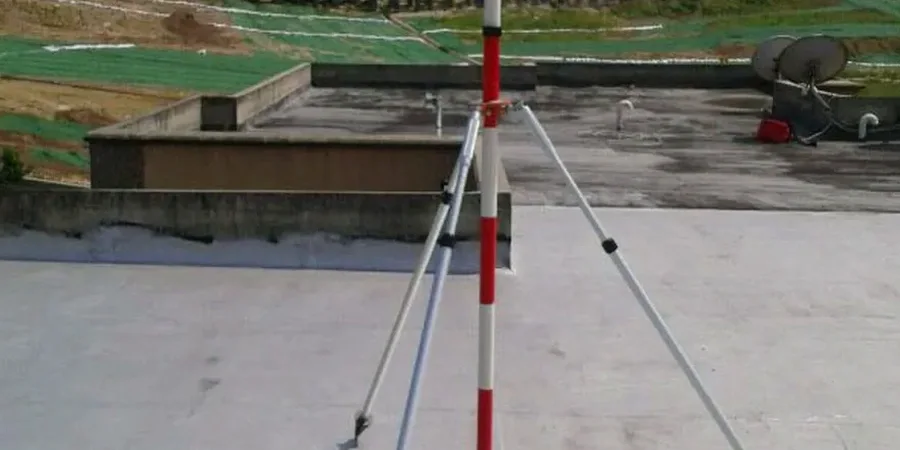
Theodolite stations set up at the corner of a site near Higley Road, prisms mounted on soldier pile lagging, and a digital readout box humming in the morning heat. That is how we start a monitoring shift in Gilbert. The town sits at roughly 1,200 feet elevation in the Salt River Valley, on layers of alluvial fan deposits that range from clean sand to clayey silt. When you open a 25-foot cut for a parking garage, the ground reacts immediately. We track that reaction with automated total stations, inclinometers, and load cells. Data streams to the site trailer every 15 minutes. Before excavation hits subgrade, we know whether the shoring system is working to the design assumptions. For deeper understanding of soil stiffness before the cut begins, we often run a CPT test to map the stratigraphy without disturbing the formation.

In Gilbert's alluvial soils, a 24-hour gap in monitoring can mean the difference between a routine shoring adjustment and a costly collapse.
Our service areas

Our approach and scope

Soil conditions change abruptly across Gilbert. North of the US-60, the sediments are coarser, with more sand and gravel lenses that drain fast but ravel easily during excavation. South toward the Santan Freeway, the fines content increases, and you encounter stiff clay layers that hold a cut well for days, then creep slowly under sustained load. That contrast demands different monitoring thresholds. In sandy ground we watch for rapid settlement and erosion behind the lagging. In the clay-rich zones we focus on lateral deformation over time, reading inclinometer casings twice daily. A slope stability analysis feeds directly into our trigger limits for both sectors, especially when the excavation is adjacent to a canal or existing foundation. Every instrument baseline is recorded before the excavator bucket breaks ground, and we calibrate against a benchmark outside the zone of influence. The data does not lie. If a waler beam is taking more load than predicted, we see it in the strain gauge readout within the hour.
Geotechnical Excavation Monitoring in Gilbert, AZ
Technical reference — Gilbert

Local geotechnical context

The basin fill beneath Gilbert includes interbedded sands and silts deposited by the Salt River's ancestral channels. Water can be found at depths of 150 to 300 feet, so dewatering is rarely an issue for typical excavations. The real hazard is collapse of unsaturated sand lenses when a cut face is left unsupported overnight. We have seen a 12-foot section of lagging bulge six inches in less than eight hours after a monsoon storm saturated the backfill. That event triggered an immediate stop-work and a shoring redesign before the next lift. Seismic risk is moderate, with the area classified under ASCE 7-22 as part of the Phoenix metro's Site Class D default profile. Ground acceleration from a nearby fault like the San Tan or Salt River fault zone can induce lateral spreading in loose granular layers below excavation subgrade. Our monitoring plan includes accelerometers at the crest and base of the cut, synced to the same time server as the total stations, so post-earthquake data is instantly comparable to pre-event baselines.

Need a geotechnical assessment?

Reply within 24h.

Email: info@geotechnicalengineering.sbs

Applicable standards

ASCE 7-22 Minimum Design Loads for Buildings and Other Structures, IBC 2021 Chapter 33 Excavation and Grading, ASTM D1586 Standard Test Method for Standard Penetration Test (SPT), ASTM D2487 Standard Practice for Classification of Soils, OSHA 1926 Subpart P Excavations

Technical parameters

ParameterTypical value
Total station accuracy (angular)1 arc-second
Inclinometer resolution0.01 mm/m
Load cell capacity range50 to 200 kips
Crack gauge sensitivity0.1 mm
Data logging frequency15 minutes to 4 hours
Typical monitoring duration3 to 12 months
Reporting intervalDaily with real-time alerts

Questions and answers

What is the typical cost for excavation monitoring on a commercial site in Gilbert?

Monitoring programs for standard commercial excavations in Gilbert generally range from US$920 to US$2,390 per month, depending on the number of instruments, reading frequency, and reporting requirements. A four-month project with two inclinometer casings, six load cells, and twenty survey targets typically falls in the middle of that range.

How often are readings taken during active excavation?

During active digging, we take automated total station readings every 15 to 30 minutes on all active prisms. Manual inclinometer readings are performed daily or twice daily when the cut advances more than three feet in a shift. Load cell data logs continuously and is polled every hour. Frequency reduces to weekly during inactive periods, unless movement trends dictate otherwise.

What triggers an alert or stop-work order?

We set three tiers of response: advisory (50% of design movement), alert (80% of design movement), and alarm (design movement reached). A 0.5-inch lateral deflection at the top of the shoring wall or a sudden rate change of more than 0.1 inches per day triggers an immediate notification to the superintendent and the geotechnical engineer on record. The decision to stop work rests with the project team, but we provide the data to make that call within minutes.

Location and service area

We serve projects in Gilbert and surrounding areas.

View larger map