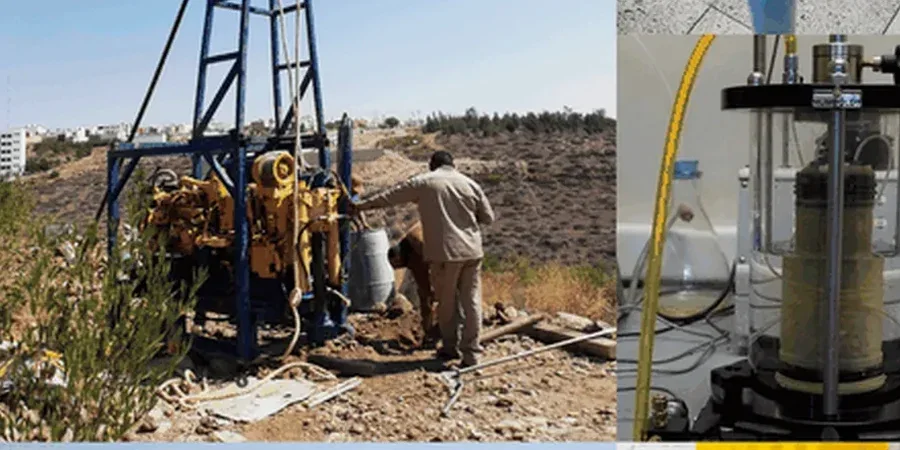
Gilbert transformed from a railroad stop to the largest town in the United States, and that growth reshaped how we think about ground conditions here. The Heritage District sits on former agricultural land, so old irrigation berms and buried clay lenses turn up in borehole logs more often than people expect. A soil mechanics study in this part of the East Valley has to account for those man-made layers alongside the natural basin-floor silts that formed when the Salt River shifted course millennia ago. The laboratory team sees the consequences constantly: samples pulled from downtown Gilbert behave differently than samples from the 202 corridor expansion, even when both are labeled sandy clay. Recognizing those contrasts is what keeps foundation recommendations from becoming generic guesses.
A two-foot change in the moisture boundary beneath Gilbert's alluvial crust can alter allowable bearing pressure by hundreds of pounds per square foot.