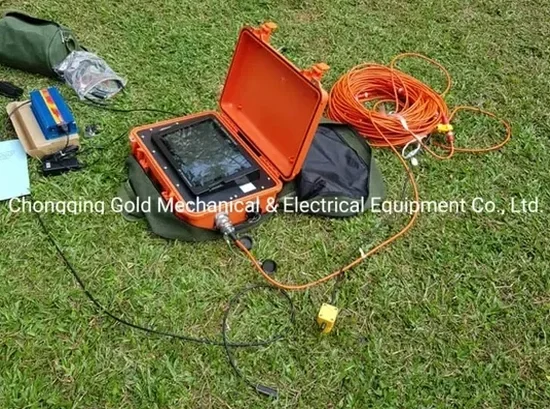
The dry washes and deep basin fill across Gilbert create a tough contrast problem for conventional geotechnical drilling. In the Heritage District and out toward the Santan Mountains, we often find coarse alluvium and caliche layers that make SPT refusal common above 30 feet. That’s where seismic tomography earns its place on the exploration program. By recording P-wave and S-wave arrivals across a spread of 24 or 48 geophones, we build a velocity model that shows the transition from stiff alluvium to cemented conglomerate and finally to crystalline basement. For projects that need continuous stiffness profiles without pushing through cemented gravel, we pair the MASW survey with refraction processing to tie Vs30 values directly to the IBC site class boundaries. The basin geometry here — over 1,200 feet of Valley fill in places — means reflection sections are just as critical when mapping deep structure for groundwater or large-scale excavation planning.
A velocity jump from 600 m/s to 2,200 m/s at 28 feet — that’s the caliche cap we see under most of Gilbert’s commercial lots.